


Ripe for expansion: local avocados take root in East End
Updated: Feb 27

At the Agricultural Show last week, the Government launched its new food security campaign highlighting eggs and tomatoes as examples of how we can grow more locally. Another crop gaining ground as a valuable local produce: avocados.
In East End, local farmer AL Thompson has recently planted 500 West Indian avocado trees at his farm. With each tree capable of producing up to 200 fruits per year, local avocados could soon become a regular feature at markets, restaurant and family tables across Cayman.
“I chose to plant avocado pears because they’ve been grown in back gardens for generations. They’re a popular Caribbean staple with high nutritional value. The trees take a couple of years to mature, but some are already bearing fruit.”
Before planting his orchard, Thompson made significant land improvements with the help of Beacon Farming Services and their specialised rock-crushing equipment. Once the rock had been crushed, Thompson’s team applied additional organic matter to reduce the impact of the limestone and create a balanced soil.
“The land improvements will considerably improve yield from the trees, producing more fruit of higher quality,” said Thompson. “The Beacon Farms team created 10 acres of fields that were previously unfit for commercial farming.”

Beacon Farming Services provides practical and advisory assistance to farmers seeking to improve the quality of their soil. To date the team has worked extensively with four major farms across Grand Cayman turning acres of rocky land into fields in which farmers can produce commercial quality crops.
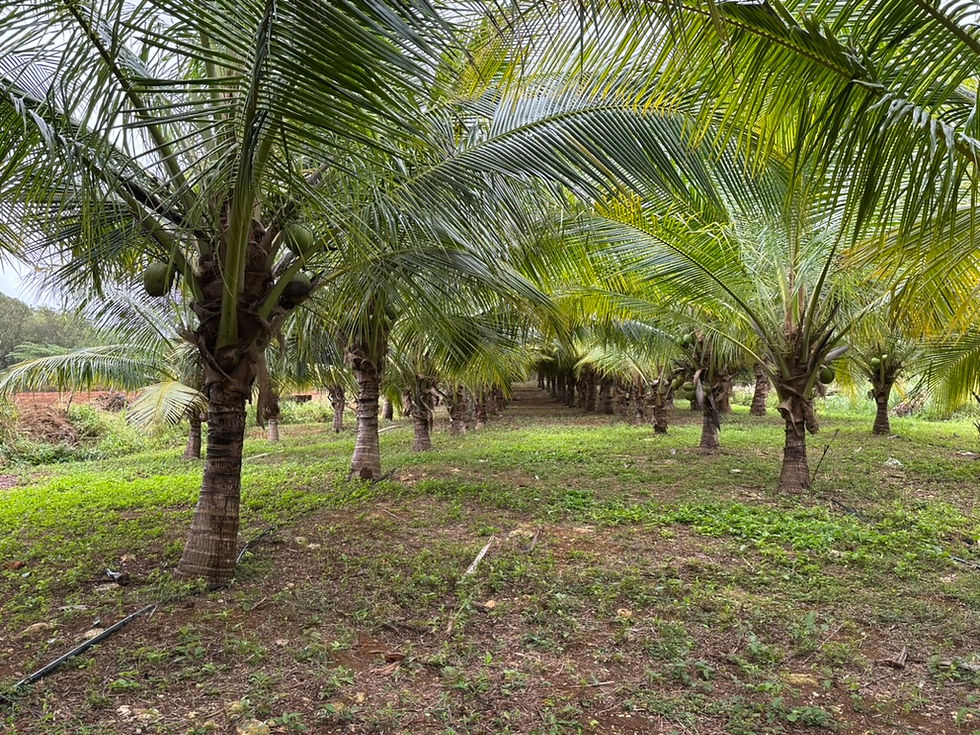
At Beacon Farms, the volume of fresh local produce sold wholesale to Cayman’s retailers and restaurants grows year on year. Six core crops are cultivated in the fields – eggplant, tomatoes, callaloo, seasoning peppers, Scotch bonnet and okra. The farm is also expanding its fruit orchard, planting avocado, soursop, sweet sop, jackfruit, bread fruit, limes, and a selection of mango varieties. The coconut palm plantation project has increased to 400 palms, some of which are already bearing fruit.
“Like much of the Caribbean, the Cayman Islands is considered high-risk for food security,” said Sandy Urquhart, CEO of Beacon Farms. “While we may never be fully self-sufficient, we can increase the amount of food we grow locally to lower the risk. With private, public and non-profit organizations working together, we can move the needle on this critical issue.”
For more information about Beacon Farming Services, visit https://www.beaconfarmscayman.org/beaconfarmingservices


Comments